

Gynecomastia vs Chest Fat: How to know the Difference

Reviewed by - Dr Nitin Ghag
MBBS, DNB - General Surgery, DNB - Plastic Surgery
Plastic Surgeon
22 Years Experience Overall (4 years as specialist)
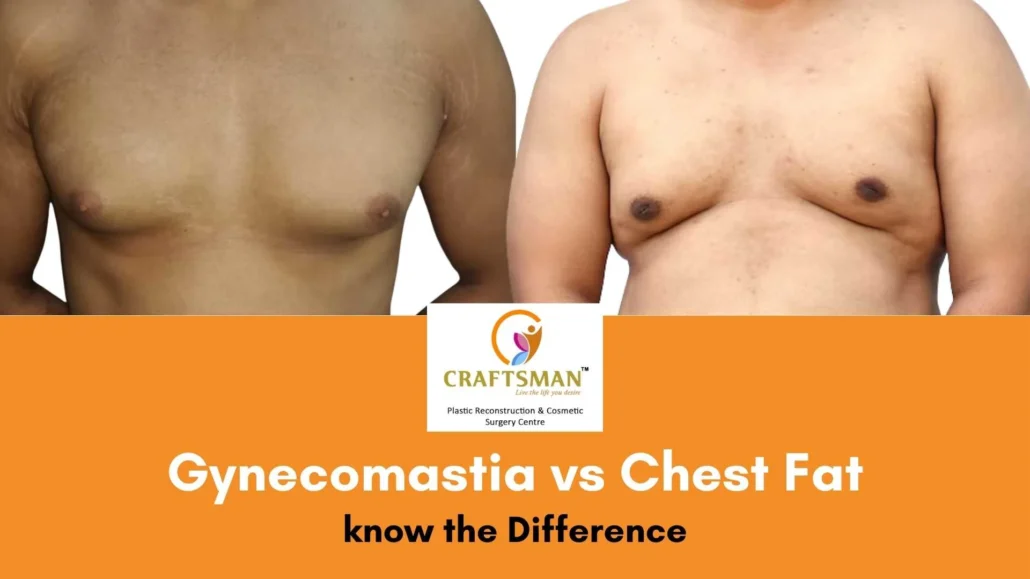
Gynecomastia vs Chest Fat, how to know the difference, feels like one of those topics that sneaks up on you. One day, everything looks normal, the next the chest feels fuller, softer, rounder, and suddenly you’re standing in front of the mirror trying to decode your own body. And if you’re being honest, it’s stressful. Confusing too. Because the chest holds so much of how a man sees himself.
Understanding the difference between gynecomastia and chest fat isn’t just about looks. It’s about clarity. Direction. Confidence. Because these two conditions may look similar from the outside, but inside, they’re completely different. One is glandular tissue that grows because of hormones. The other is plain body fat that behaves like fat everywhere else.
The real challenge is this, most men don’t know which one they have. They try to fix chest fat with surgery or try to fix gynecomastia with workouts. Neither works. And that’s where frustration grows. When the chest doesn’t respond the way you expect, it takes a toll, mentally and emotionally.
So this blog is here to simplify everything. To make the difference obvious. To give you that clarity you’ve been trying to get for months. No complicated medical jargon. No fear. Just real, relatable, straight-to-the-point information that helps you finally understand your chest and what it needs.
Table of Contents
What is Gynecomastia?
Gynecomastia is a real medical condition where the breast tissue in men grows. Not fat. Actual glandular breast tissue. The kind that doesn’t shrink when you lose weight or increase workouts. And that’s exactly why so many men feel confused. They see their body getting leaner, yet the chest barely changes.
This tissue growth usually happens because of hormonal imbalance. A shift in the testosterone to estrogen ratio gets the gland working overtime. Puberty can spark it. Steroid use can trigger it. Medications like antidepressants or anti-anxiety drugs. Certain heart medications. Liver issues. Kidney problems. Obesity affects the hormone cycle. Even ageing can make hormone levels fluctuate.
Gynecomastia can affect one side or both. It can appear gradually or suddenly. Some men notice puffiness around the nipples. Some feel a firmness under the skin. Some feel soreness that wasn’t there before.
What makes gynecomastia so emotionally heavy is the fact that it doesn’t care about your fitness level. You can be muscular, lean, strong, and still have glandular tissue. You can lose weight and still see that rounded chest shape. And the more it doesn’t move, the more frustrating it becomes.
Gynecomastia is not dangerous. But it is stubborn. And it deserves proper understanding, so you don’t waste months working against something that won’t change without the right approach.
What is Chest Fat?
Chest fat is simply fat stored in the chest area. Nothing medical. Nothing glandular. Just body fat doing what body fat does. Everyone stores fat differently. Some carry it in the belly. Some in the thighs. Some in the lower back. And yes, some in the chest.
It doesn’t mean anything is wrong. It doesn’t mean you’re unhealthy. It doesn’t mean you have gynecomastia. It simply means your body’s fat distribution pattern includes the chest area.
Chest fat is soft. Easily movable. Squishy. It spreads wider across the chest. It doesn’t feel tender unless there’s inflammation. And most importantly, it responds beautifully to weight loss. Calorie deficit, strength training, cardio, better sleep, lower stress… chest fat reduces with all of that.
Even men who appear relatively lean can have stubborn chest fat. That’s genetics being unpredictable. But unlike gynecomastia, chest fat changes with fat loss. It shifts. It shrinks. It melts.
The hardest part is that many men mistake chest fat for gynecomastia and start panicking. Or worse, they mistake gynecomastia for chest fat and spend months training harder without results. Knowing the difference is everything.
Know the Difference Between Gynecomastia and Chest Fat
Alright, this is the part you came for. The clarity zone. The aha moment. The real breakdown of what’s what.
Looking at your chest. Feeling the texture. Understanding the shape. All these tiny observations point you in the right direction. But to make it 100 per cent clear, here’s the table that sums it all up perfectly.
Gynecomastia vs Chest Fat: Clear Comparison
Feature | Gynecomastia | Chest Fat |
What it is | Growth of firm glandular breast tissue | Fat is deposited in the chest area |
Texture | Firm, rubbery, disc-like, less movable | Soft, squishy, spreads easily |
Feel Behind Nipple | A distinct firm disc can be felt | Soft padding, no firm core |
Tenderness | Often tender or sensitive | Usually not tender |
Appearance | Rounded, projected, puffier nipples | Flatter, softer, broader distribution |
Response to Weight Loss | Does not shrink with exercise or diet | Shrinks with fat loss |
Common Causes | Hormonal imbalance, puberty, medications, steroids | High body fat percentage, lifestyle, and genetics |
One side or both? | Either, sometimes uneven | Usually symmetrical |
Can both exist together? | Yes, common | Yes |
Best Treatment | Male breast reduction surgery | Fat loss, lifestyle changes, chest liposuction |
Now here’s how you use this information in real life.
Look at the shape. Gynecomastia pushes outward, giving a projected look. Chest fat spreads sideways, like soft cushioning.
Feel the tissue. Press gently behind the nipple. If you feel a firm, rubbery disc, that’s a gland. If it feels soft and pressable, that’s fat.
Notice the pattern. If your chest doesn’t shrink despite losing weight everywhere else, it’s likely gynecomastia. Fat doesn’t behave like that.
And yes, the mixed version exists, gland plus fat, which is why some men see partial improvement but not full transformation even after dieting.
Also Read: Gynecomastia Surgery Cost in India
Symptoms of Gynecomastia
Gynecomastia comes with its own set of symptoms that you start noticing once you’re aware.
There’s tenderness. A soreness that makes you aware of the chest even when you’re not touching it. There’s puffiness, especially around the nipples, that doesn’t go away even in cold environments. There’s firmness that doesn’t match the rest of the body. And the shape… that rounded, projected curve that feels different from fat.
Chest fat doesn’t behave this way. It doesn’t cause soreness. It doesn’t create that firm disc behind the nipple. It doesn’t look the same during flexing. Gynecomastia does.
Causes of Gynecomastia and Chest Fat
The causes are different because the conditions are different.
Gynecomastia is triggered by hormones. Testosterone dips. Estrogen rises slightly. Puberty. Aging. Medications. Steroids. Medical conditions. Rapid weight fluctuations. Even alcohol or certain substances can trigger hormonal changes.
Chest fat is mostly lifestyle-driven. High-calorie diets. Low activity. Slow metabolism. Poor sleep. Stress. Genetics. The body simply decides to store fat in the chest region. Nothing more, nothing less.
Diagnosing Gynecomastia and Chest Fat
A plastic surgeon is the person to diagnose the condition. They know how to differentiate gland from fat through touch, medical history, and if needed, an ultrasound.
The reason proper diagnosis matters is simple. If it’s fat, lifestyle changes work. If it’s gynecomastia, only surgery removes the gland. Guessing can waste months of your life.
Treatment Options for Gynecomastia
Gynecomastia does not shrink with weight loss. It does not disappear with chest workouts. Because glandular tissue doesn’t respond like fat.
The most effective treatment is gynecomastia surgery. Male breast reduction removes the gland, shapes the chest, and restores a masculine contour. The results are immediate, long-lasting, and emotionally powerful for most patients.
It’s chosen when the condition affects confidence, posture, clothing choices, and quality of life. And for many men, it’s the turning point where they finally feel comfortable in their skin again.
Treatment Options for Chest Fat
Chest fat responds amazingly well to fat loss. Diet. Exercise. Strength training. Cardio. Better recovery. Lower stress. All these melt chest fat the same way they melt belly fat.
Exercises like push-ups, bench press, incline dumbbell press, chest flies, dips, and cable crossovers help build muscle underneath, giving your chest more structure as the fat reduces.
And if fat remains stubborn even after losing weight, chest liposuction is an option. It removes fat directly and contours the chest for more definition.
When to Consider Male Breast Reduction Surgery
Surgery becomes the right option when the chest remains enlarged even after losing weight. When the gland is clearly palpable. When puffiness remains despite fitness efforts. When the shape affects confidence or daily comfort.
Male breast reduction works for gynecomastia, chest fat, or a combination of both. A skilled surgeon ensures balanced, natural, and long-lasting results.
Conclusion
Gynecomastia and chest fat might look similar, but once you know the signs, everything becomes clear. Gynecomastia involves firm glandular tissue that doesn’t respond to exercise. Chest fat is soft, movable, and reduces with fat loss. Understanding which one you have is the key to choosing the right solution.
If your chest hasn’t changed despite weight loss or if you feel tenderness or firmness behind the nipple, a professional evaluation is the next step. Getting the correct diagnosis gives you clarity and leads to the right treatment path, whether that’s lifestyle changes or surgical correction.
And remember, this is common, treatable, and nothing to be ashamed of. You deserve a chest that makes you feel confident, strong, and fully yourself again.
FAQs
How do I know if it's gynecomastia or just fat?
Gynecomastia often feels firm or rubbery under the nipple, while chest fat feels soft and can be pinched like regular body fat. A medical examination is the most accurate way to confirm.
Does gynecomastia go away on its own?
In many adolescents, it resolves naturally within months to a couple of years. In adults, it may persist and require medical or surgical treatment.
Can exercise get rid of gynecomastia?
Exercise can reduce chest fat but cannot remove true glandular tissue. If the breast enlargement is gland-based, workouts alone won’t fully correct it.
Can weight loss get rid of chest fat?
Yes. Since chest fat is adipose tissue, fat loss through dieting and exercise can reduce its appearance.
Is gynecomastia painful?
Some men experience tenderness, swelling, or sensitivity around the nipple area. Chest fat usually does not cause pain.
Further Reading

View More Services