

Armpit Fat Removal: Causes, Options, and What Actually Works

Reviewed by - Dr Nitin Ghag
MBBS, DNB - General Surgery, DNB - Plastic Surgery
Plastic Surgeon
22 Years Experience Overall (4 years as specialist)
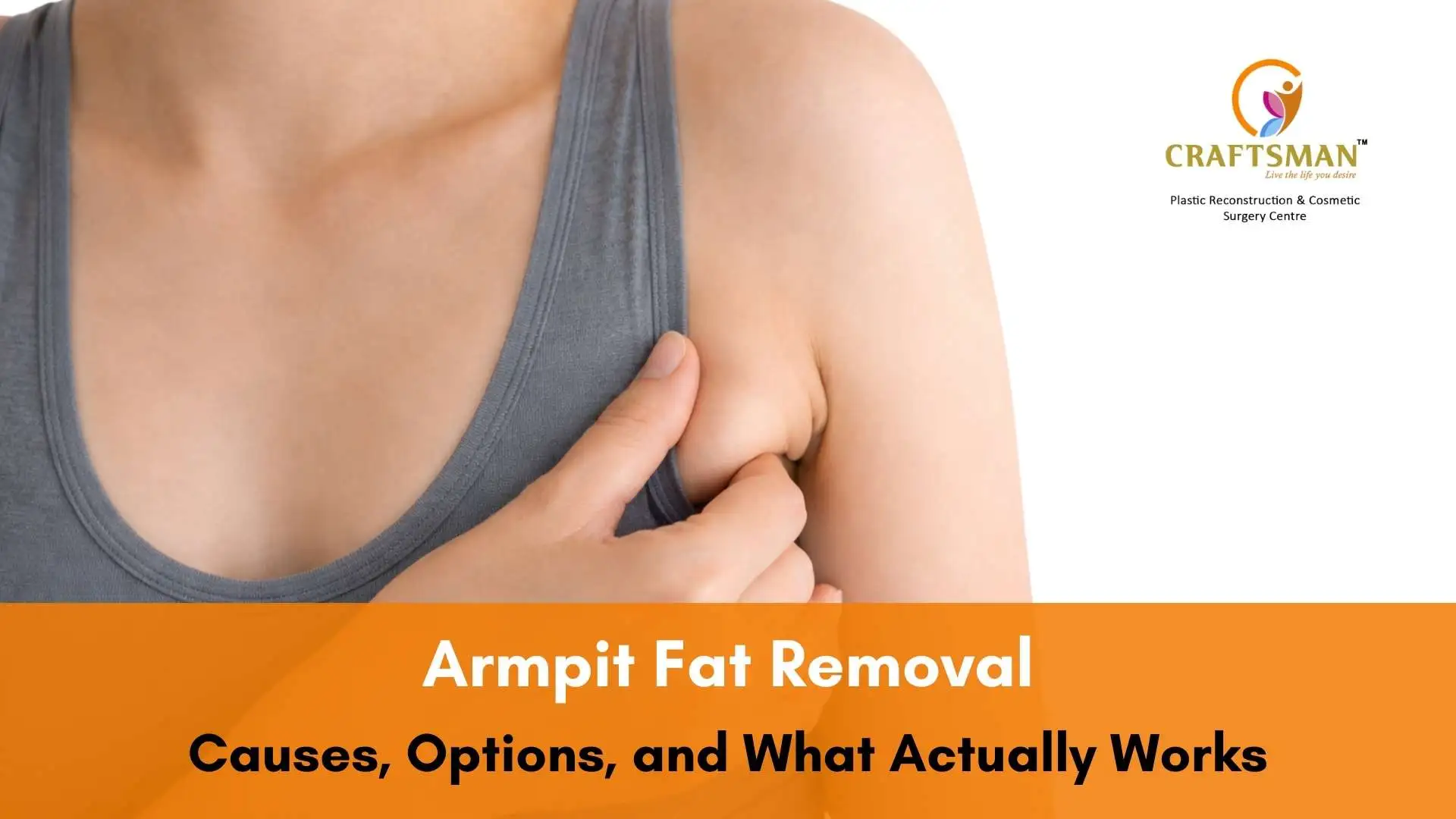
if you had ever noticed that intractable lump armpit-line-wise in the side of your bra and wondered, “Why is this bulge coming to my armpit? You are not alone. Armpit fat is one of the issues that is common in all ages and body types. The emergence of armpit fat may be particularly more uncomfortable in a tight top or particularly sleeveless clothing.
However, here is the major fact most people do not get to hear early enough, it is not necessarily armpit fat. In others, it can be the axillary tissue of the breast. This is why it is best to figure out what you are really dealing with before you go on the hunt to find a single solution.
This guide covers armpit fat removal, causes of armpit fat, what can be changed non-surgically and when medical intervention, such as liposuction or excision, can be discussed under the guidance of an expert.
Table of Contents
What Is Armpit Fat?
“Armpit fat” is a common term people use to describe a soft, plump swelling or fullness around the underarm area. It can appear directly in the armpit, slightly beside it, or even closer to the chest.
From an anatomical point of view, this area is called the axillary region. Since the underarm skin moves a lot and is affected by friction, muscle movement, and the layers of tissue underneath, armpit fat can look different from person to person. For some, it may show up as mild puffiness, while for others, it may appear as a visible side fold.
Causes of Armpit Fat
1. Fat storage patterns
A significant cause is nothing but fat distribution. There are bodies that store fat more in the upper torso. Depending on hormones, lifestyle and genetic factors, the upper body can be a favourite place of storage.
This can create:
- fat deposits
- a visible fat pad
- or even a localised axillary fat pad
In plain terms, you might have fat around this area even if you’re not significantly overweight.
2. Weight and lifestyle
The gain of weight adds more body fat, and the armpit-side area of the body may be among the regions of the body where body fat is more noticeable. The buildup of fat may, over time, enhance a crease that was not so apparent previously.
This is the reason why in some individuals the total fat loss and general fat loss will decrease that fullness. In case you are more concerned about the soft tissue, some lifestyle interventions can be used to shrink it and also to make it less noticeable.
3. Hormonal influence
The hormonal changes can influence the fat deposition and tissue behaviour. To others, estrogen or any other signal changes may change fat storage location and appearance.
4. It's not always just fat
Sometimes what appears to be fat is not ordinary fat at all.
When It’s Not Just Fat: Axillary Breast Tissue
A very important (and under-discussed) cause of armpit fullness is extra breast-related tissue.
What is accessory breast tissue?
There are individuals who possess accessory breast tissue in the axilla. This is also referred to as accessory breast tissue, or referred to as accessory breast tissue or even as axillary accessory breast, depending on the clinical name.
The breast tissue developmental process follows a milk line, which may extend all the way out to the armpits to the groin, thus the tissue may remain beyond the normal breast formation.
This is why you may hear terms like:
- axillary breast
- axillary breast tissue
- axillary accessory breast
In these cases, the fullness may include glandular tissue and not just fat.
How accessory tissue differs from normal breast
The normal breast is located in a localised area, although it is the embryologic patterns of breast tissue. Breast tissue can therefore be found outside the normal zone. This may form a lump or fold which appears fat-like, but may be harder, firmer or fluctuate with menstrual cycles.
Why diagnosis matters
Knowing whether the issue is axillary fat or axillary breast tissue can change everything about treatment choices.
How Doctors Evaluate Armpit Fat vs Axillary Breast
A qualified surgeon will take into consideration your history and physical examination regarding armpit fullness. In most instances, imaging could be recommended to determine whether the bulk is:
- fatty tissue
- a structured fat pad
- or breast tissue beyond the typical pattern
This step prevents unnecessary procedures and helps plan safer outcomes.
Non-Surgical Ways to Reduce the Appearance
If the issue is primarily fat, lifestyle changes can play a meaningful role.
Diet and exercise
Yes, it can be helped by diet and exercise; however, it is suitable in combination with regular habits that promote slow weight loss. Although spot reduction is not a fact, a wide energy balance and enhanced physical fitness can diminish fat fullness.
Strength training for contour
Strength training can be added to enhance shape and posture in the shoulder-chest area. Exercises that strengthen and create muscles in the chest, back and shoulders can be used to increase the definition of the upper body and make it smoother in line.
This can:
- help reduce the appearance
- reduce the appearance of armpit folds
- and minimise the appearance of a mild bulge
Reality check: Even with good habits, some people won’t eliminate localised fat in this region. This is normal. Genetics and structural tissue differences matter.
Surgical Options for Armpit Fat Removal
If lifestyle measures don’t address the concern—or if the cause is accessory breast tissue—medical options may be discussed.
1. Liposuction for axillary fat
When fat forms the bulk, liposuction is a preference. According to many doctors, liposuction is used to remove localised fat in the axillary area. Here, liposuction is used to attack excess fat, additional fat or unwanted fat cells in the underarm zone.
In elementary explanations, liposuction to get this local bulging out is typically aimed at getting rid of the surplus and shaping the armpit-side figure.
2. Excision for axillary breast tissue
When the lump is more glandular than fatty, excision may be considered. This may be documented as:
- axillary breast excision
- breast tissue removal
- Or, more specifically, axillary breast removal in some clinical descriptions
In rare documentation, you may also see terms like breast removal or breast removal surgery, though in this setting, it refers to removing accessory tissue rather than the normal breast.
3. Combination approach
Some cases include both fat and extra breast tissue, and a combined plan may be suggested by a specialist.
What to Expect During the Procedure
Any medical approach is a surgical procedure performed with careful planning.
Incision and technique
In surgical cases, a small incision may be used to access tissue. Good planning aims to place it in a discreet location in the natural folds of the underarm area.
Scarring
Any procedure can result in a scar, though surgeons typically aim to minimise visibility. The risk may be influenced by:
- skin quality
- healing patterns
and any excess skin after volume changes
Risks, Safety, and Choosing the Right Doctor
Because the axillary region contains important structures, it’s best to consult a qualified plastic surgeon experienced in these procedures. Whether your plan is a cosmetic procedure or medically motivated, expert assessment matters.
A surgeon can explain:
- whether your concern is fat in the armpit area or more glandular tissue
- the likely benefits and limitations
- and how to effectively reduce armpit fat or its appearance safely
This is part of informed decision-making in plastic surgery.
Armpit Fat Removal in Mumbai
If you’re researching armpit fat removal in Mumbai, the same rules apply: prioritise diagnosis, ask about whether the bulk is fat or axillary breast tissue, and confirm the clinician’s experience with axillary contour cases.
Conclusion
Armpit fat is often linked to localized fat storage and overall body fat distribution, meaning weight gain can make it more noticeable while overall fat loss may reduce its appearance.
In some individuals, this fullness is not fat at all but axillary or accessory breast tissue.
Healthy eating, regular exercise, and strength training can help improve contour, but persistent concerns should be evaluated by a qualified plastic surgeon.
Identifying whether the issue is fat, dense fat pads, or glandular tissue allows you to choose the safest and most realistic treatment—because the goal is clarity, not perfection.
FAQs
What causes armpit fat?
Simple versions of causes of armpit fat include genetics, fat distribution, lifestyle patterns, and weight gain. The fuller explanation of the causes of armpit fat also includes accessory breast-related tissue.
Is armpit fat really fat?
Sometimes yes. Sometimes no. It may be fat in the underarm or a localised axillary fat pad. But in some cases, it’s called accessory breast tissue, which includes breast tissue and sometimes glandular tissue.
Can I get rid of armpit fat with exercise?
You can’t target only this spot, but diet and exercise, plus strength training, can help with fat reduction and improve upper-body contour. This can help reduce the appearance and potentially reduce armpit fat over time.
What if I’m trying to reduce the appearance of armpit fullness fast?
Lifestyle changes may help reduce mild fat, but persistent bulges may require medical evaluation, especially if the tissue seems structured.
When is surgery considered?
If the issue is resistant to lifestyle changes, a specialist may discuss armpit fat removal surgery. For fat-only cases, liposuction may be recommended. For glandular cases, excision or axillary breast excision may be needed.
Further Reading


Tummy Tuck After a C-Section – When to Get a Tummy Tuck
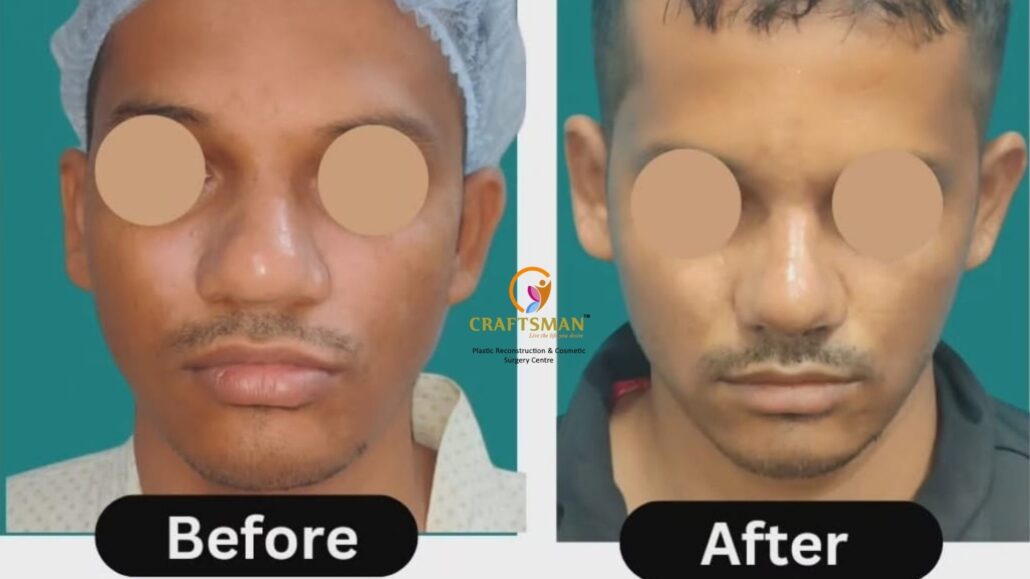
Struggling with a Broad Nose? Here’s How Rhinoplasty Can Help
View More Services